


A Bahamian Folktale
CHICKCHARNEY

The Project


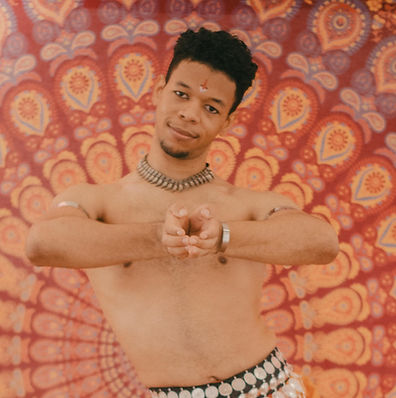
Acclaimed classical Indian dancer Carlito Catalano embodies this haunting narrative through the rigorous precision and emotional depth of Indian classical dance vocabulary. Accompanied by live percussion that bridges Caribbean and Indian musical traditions, the piece creates a stunning visual and sonic landscape where ancient forms meet contemporary themes.
The production explores how classical Indian dance—with its rich tradition of storytelling through gesture (mudra), facial expression (abhinaya), and dynamic movement—can give new physical life to Caribbean folklore, demonstrating that movement is a universal language capable of crossing cultures while honoring the specificity of both.
Universal Themes:
-
The pain of parental rejection and conditional love
-
The journey toward self-acceptance in the face of shame
-
The irreversible consequences of denying someone's authentic self
-
Transformation as both curse and complicated liberation
-
The price we pay when we fail to celebrate difference

The Story
A lone Griot sits in shadow. Rising, he begins to weave a tale of love, loss, and the devastating cost of rejection.
We meet a father sitting in painful solitude, haunted by memories of his son—a flamboyant, effervescent young man who danced through life with joyful abandon. In a shattering flashback, we witness the moment that changed everything: the father discovers his son preening and prancing in the backyard, celebrating his youth, his difference, his glory. Ashamed and afraid, the father berates and scolds the boy for being "too much," for being different, for refusing to dim his light.
Heartbroken, the boy flees deep into the Andros wilderness.
Through mangrove forests and blue holes, past flamingos and beneath the towering pines, the boy wanders—until he stumbles upon an arresting sight: a vulture, magnificent and terrifying, cleaning its feathers in the twilight. Mesmerized by the bird's atypical beauty, the boy laughs.
The bird freezes. Turns. Fixes its ancient gaze upon him.
Too late, the boy remembers the old warning: Never laugh at the chickcharney. These vultures are transformed beings who curse those who mock them. Terror-stricken, he runs deeper into the forest, but as the moon rises, he realizes he is hopelessly lost. The curse takes hold. The boy transforms—becoming a chickharney himself, forever trapped between human and bird, belonging to neither world.
The father, lost in grief and regret, becomes the Griot. The Griot becomes the father. The story circles back on itself—a meditation on the irreversible consequences of refusing to accept those we love as they truly are.
The Process
Ethnographic Research
Research trip to Andros to hear local myths and legends of the Chickcharney.
Cultural Exchange
Working with American choreographer
Kevin Iega Jeff to develop choreographic structure and movement vocabulary.
Bahamian Premiere
Honor the cultural origins of the chickcharney legend at the I.C.E. Gallery of Antonius Roberts and at the National Art Gallery of The Bahamas.
US Presentation
Share this cross-cultural work with American audiences.


The Collaborators
.jpg)
Choreographer & Cultural Exchange Director
Carlito Catalano
Bahamian born Odissi dancer trained under master dancer Bijayini Satpathy.
Choreography Consultant
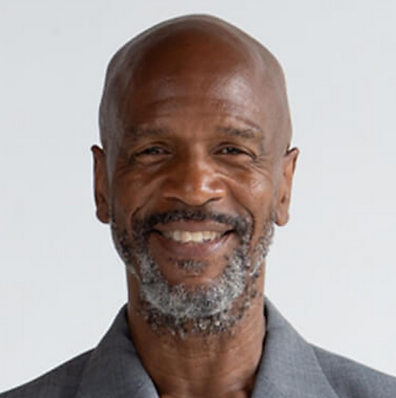
Kevin Iega Jeff
Celebrated American choreographer and former Artistic Director of Deeply Rooted Dance Theater.
Writer
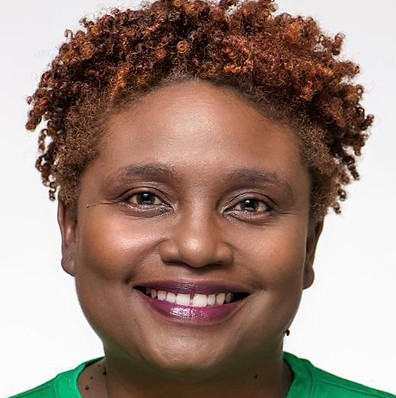
Patrice Francis
Acclaimed Bahamian writer, actor, and producer known for some of the most compelling work on Bahamian culture.

Visual Artist
Antonius Roberts
Collaborating Bahamian visual artist and premiere host, whose own monumental sculpture, also titled Chickcharney, is installed at the I.C.E. Gallery.

Musician
Christian Justilien
Distinguished Bahamian composer, conductor, and educator whose work bridges classical training and Bahamian musical tradition.
Producer
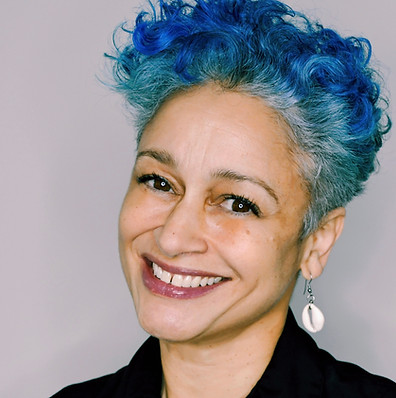
Cristin Carole
American Choreographer, Stage Director, Educator and Founder of the Shirley Hall Bass Foundation & Legacy Project.